ChatGPT Virtual Try-On: What AI Shopping Means for Fashion and Ecommerce Brands
OpenAI launched Virtual Try-On and Favorites globally in ChatGPT on October 1, 2026 — letting shoppers upload a photo and see how clothing and accessories would look on them, then save finds to a Library for later. Here's exactly what's live, what still routes to a merchant's own site, and what fashion and ecommerce brands should prepare before this becomes a meaningful discovery channel.
A fashion retailer photographing clothing products for an online store catalog — Licensed via Adobe Stock
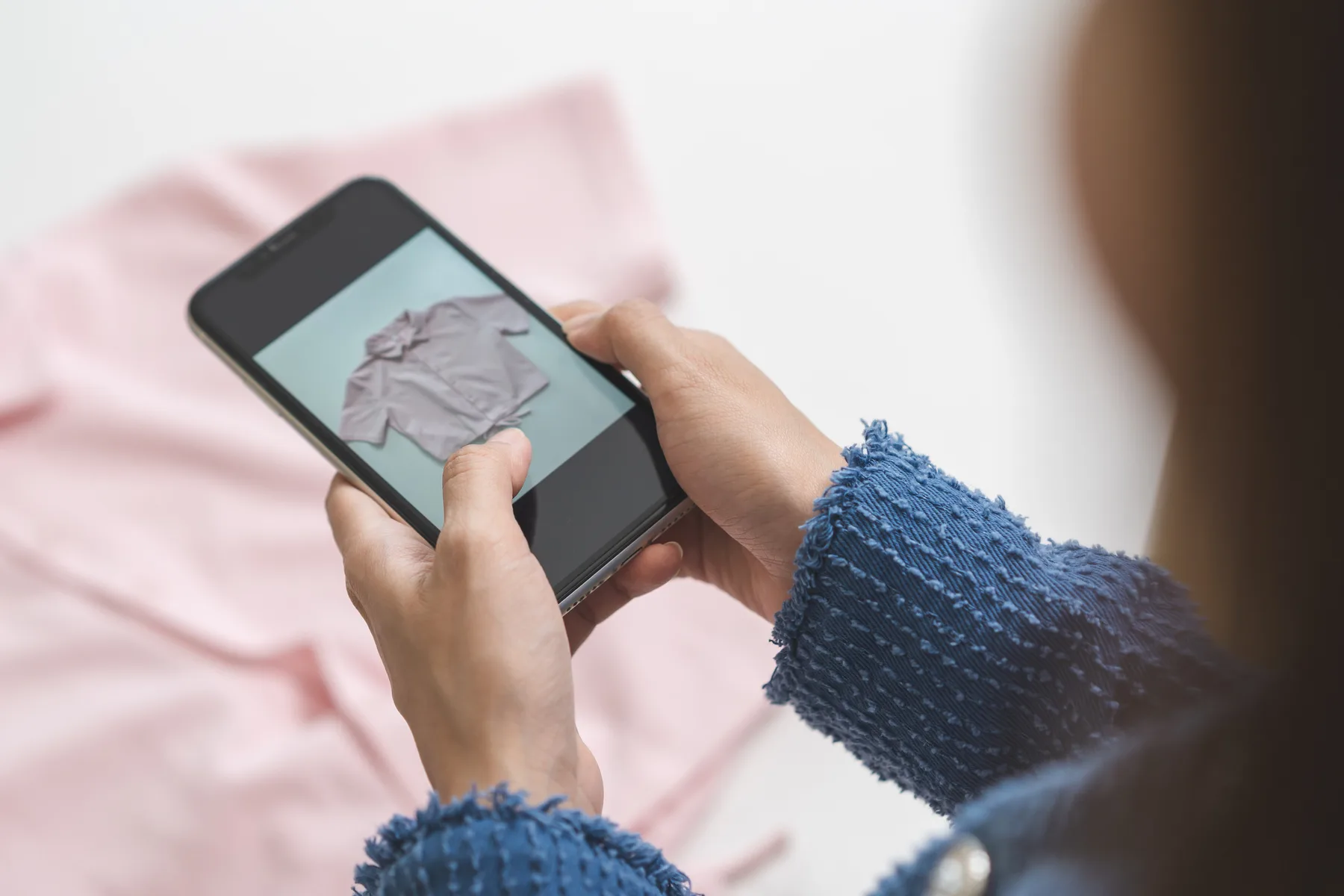
OpenAI launched Virtual Try-On and Favorites globally in ChatGPT on October 1, 2026, running on its newest image model, ChatGPT Images 2.5. A shopper can tap a Try On button on a clothing or accessory listing, upload a selfie or full-body photo, and see a generated image of themselves wearing the item — and they can do the same thing with a screenshot of a product from an entirely different store. Favorites lets shoppers save products and their try-on results to a Library inside ChatGPT for later. This adds a genuine visual-evaluation step to AI shopping discovery, but it doesn't change the fundamentals: accurate product data, good photography, and a merchant site built to actually convert still matter — arguably more, since AI is now helping shoppers compare and visualize before they ever click through.
- OpenAI launched Virtual Try-On and Favorites as a global release on October 1, 2026 — not a limited pilot — for clothing and accessories specifically, on web and mobile.
- Both features run on ChatGPT Images 2.5, OpenAI's newest image model, described as producing more natural lighting, richer texture, and more reliable instruction-following than prior versions.
- Try On works beyond ChatGPT's own native shopping results: a shopper can upload a screenshot of a product found on any external site and ask ChatGPT to generate a try-on image using that item.
- Reference photos are saved by default for reuse in future try-ons, and — per OpenAI's standard personal-account data policy — may be used to train its models unless the 'Improve the model for everyone' setting is turned off. Saved photos can be deleted or replaced under Settings > Personalization > Reference photos.
- Checkout generally routes to the merchant's own website. Walmart is specifically named as a partner enabling Instant Checkout (purchasing inside ChatGPT) alongside this launch — this article does not claim in-chat checkout is universal across all merchants, since only Walmart is confirmed.
- No source reviewed for this article describes a specific merchant opt-in process, product-feed submission mechanism, or buying limits for ChatGPT shopping generally — this article treats those as open questions rather than guessing.
What ChatGPT Virtual Try-On Is
Virtual Try-On adds a 'Try On' entry point to clothing and accessory listings inside ChatGPT's shopping results. When a shopper taps it, ChatGPT asks for a selfie or full-body reference photo, then generates an image showing that person wearing the specific item — a generative visualization, not a literal photograph or a 3D fitting simulation. The same workflow extends to items a shopper finds elsewhere: uploading a screenshot or image of a product from any store and asking ChatGPT to render it on their reference photo works the same way, independent of whether that product appears in ChatGPT's own shopping results at all.
Which Shoppers and Products It Supports
This was announced as a global launch, available on both web and mobile, rather than a staged regional rollout — a meaningful difference from several other AI-shopping features covered on this site that launched US-only. Supported product categories are clothing and accessories specifically; sources reviewed for this article don't describe support for other product categories (home goods, electronics, etc.) as part of this launch.
How Favorites Fits Into the Journey
Favorites gives a shopper a place to bookmark products — including their generated try-on images — inside ChatGPT's Library, organized into folders, so a shopper can return to compare saved options before deciding. This turns what used to be a single-session recommendation into something closer to a persistent consideration set, similar in spirit to a retailer's own wishlist feature, except it lives inside ChatGPT rather than on any one merchant's site.
How This Changes AI Shopping Discovery
The funnel this creates, to the extent it's confirmed by sources reviewed, looks like: AI discovery (a shopper asks ChatGPT about a product category) → recommendation (ChatGPT surfaces options) → visualization (the shopper tries items on virtually) → saved consideration (Favorites/Library) → merchant site or, where available, in-chat checkout. The genuinely new step here is visualization — prior AI shopping discussions on this site (see our Holiday AI Shopping article) focused on discovery and ranking; this adds an evaluation step that happens before a shopper ever reaches a merchant's actual product page.
Product Image Quality Becomes a Direct Input, Not Just a Trust Signal
A generative try-on image is built from the product image ChatGPT has access to — meaning a poor, inconsistent, or misleading product photo doesn't just look unprofessional to a human browsing your site, it can directly degrade or distort the try-on visualization a shopper generates. Clear, well-lit, accurately colored product photography that shows an item the way it actually looks was already a baseline ecommerce requirement; this raises the cost of skipping it.
Variant, Size, and Color Accuracy
If a product listing's color or variant data doesn't match what's actually photographed, a shopper's generated try-on could visualize the wrong version of an item entirely — a mismatch that erodes trust before a sale even happens, and one this article has no evidence ChatGPT itself can detect or correct for. Keeping variant-level product data (color, fit, size range) accurate and synced with actual photography matters more once an AI system is actively rendering that data for a shopper to evaluate.
Product-Feed and Merchandising Readiness
This article cannot confirm the exact mechanism by which a merchant's products become eligible to appear in ChatGPT's shopping results or Try On flow — no source reviewed details a specific feed-submission or opt-in process for this launch specifically. What's defensible to say: businesses already investing in structured, accurate, well-maintained product data (the same fundamentals covered in our Holiday AI Shopping and Shopify WebMCP articles) are better positioned regardless of the exact mechanism, since accurate underlying data is a prerequisite for any AI shopping surface to represent a product correctly.
Brand Trust and Authentic Visuals
A generated try-on image is, by definition, an approximation — lighting, drape, and fit won't always match reality exactly. A brand whose actual product photography and real-world fit are honest and consistent has less to lose when a shopper compares a generated visualization against the real thing after it arrives; a brand whose photography already overstates how a product looks risks that gap becoming more visible, not less, once AI is actively generating a preview for the shopper to judge against.
Returns, Expectations, and Transparency
Nothing in the sources reviewed for this article claims Virtual Try-On reduces return rates, and this article makes no such claim either — a generated visualization is not a guarantee of real-world fit, and setting that expectation honestly (in your own product pages, sizing guides, and return policy) matters more, not less, once shoppers are forming an impression from an AI-generated image before they ever receive the item.
Ecommerce Analytics and Attribution
A shopper who discovers, tries on, and saves a product inside ChatGPT before eventually visiting your site may show up in your analytics as a single, unremarkable site visit — with no visibility into the discovery and evaluation steps that happened beforehand. This is the same underlying measurement gap covered in our Shopify WebMCP and Holiday AI Shopping articles for agentic checkout specifically: on-site analytics increasingly tell only part of the story once meaningful shopping behavior happens on a platform you don't control, before the click ever reaches you.
Practical Examples by Business Type
- Apparel retailer: prioritize consistent, accurate product photography across every color/size variant — a shopper's try-on visualization is only as reliable as the underlying image and variant data.
- Accessories brand: make sure color and scale are represented accurately in product photos; small items (jewelry, bags) are more sensitive to visualization distortion than larger garments.
- Local fashion retailer: this is a reason to invest in genuinely good product photography now, not a reason to build anything custom — the underlying data quality is what travels into any AI shopping surface.
- DTC brand: a consistent, well-structured product catalog (accurate titles, variants, descriptions) matters more as more discovery and evaluation moves into AI surfaces you don't directly control.
- Holiday/seasonal campaigns: treat AI-shopping readiness (accurate catalog data, current photography, honest sizing information) as part of this season's merchandising prep, alongside the broader holiday-readiness steps covered in our Holiday AI Shopping article.
Can shoppers buy directly inside ChatGPT after trying something on?
Generally, the journey routes back to the merchant's own website. Walmart is specifically named as a partner enabling Instant Checkout (purchasing inside ChatGPT) alongside this launch — this article does not claim that applies to merchants beyond Walmart, since no other partner is confirmed in the sources reviewed.
What product categories does Virtual Try-On support?
Clothing and accessories, per every source reviewed for this article. No source describes support for other product categories (furniture, electronics, etc.) as part of this specific launch.
Does ChatGPT keep the photo I upload for Try On?
Yes, by default — reference photos are saved for reuse in future try-ons rather than re-uploaded each time. They can be deleted or replaced under Settings > Personalization > Reference photos, and per OpenAI's standard data policy, personal-account images may be used to train its models unless the 'Improve the model for everyone' setting is turned off.
Does this reduce return rates for fashion ecommerce?
No evidence reviewed for this article supports that claim, and this article doesn't make it. A generated visualization approximates fit and appearance; it isn't a guarantee, and businesses should keep setting honest sizing and fit expectations independently of this feature.
How do I get my products to appear in ChatGPT's Try On results?
This article could not confirm a specific merchant opt-in or product-feed mechanism for this launch in the sources reviewed. The defensible preparation step regardless of the exact mechanism is accurate, well-structured, current product data and photography — the same fundamentals that matter across every AI shopping surface.
Where NextFlow Fits
Being ready for AI shoppers to visualize and compare your products is mostly an extension of fundamentals NextFlow already helps ecommerce and retail businesses get right: accurate product pages, consistent photography and catalog data, and a website that converts once a shopper actually clicks through. That's where our Website & Landing Pages, AI Solutions, and Lead Generation services fit for a fashion or ecommerce brand preparing for this shift.
Sources & References
- ChatGPT can now virtually try on clothes for you — TechCrunch, 2026-10-01
- OpenAI Launches Virtual Try-on In ChatGPT — Dataconomy, 2026-10-02
- Walmart gets onboard with OpenAI's ChatGPT fashion push as virtual try-on and favourites launch — Retail Technology Innovation Hub, 2026-10-02
- ChatGPT Adds Virtual Try-On for Clothes and Accessories: What Reference Photos, Saved Finds, Privacy Controls, and Buying Limits Actually Mean — Chat GPT AI Hub, 2026-10-02
- ChatGPT Adds Virtual Try On and Favorites for Shopping — Relevant Audience, 2026-10-02
Get Your Free Growth Assessment
Find out whether your product photography and catalog data are actually ready for AI shoppers to visualize and compare.